
What works best
Photos that work well
One photo is enough — up to four, 90 degrees apart, is better.
Last updated 10/08/2026
One photo of the physical part is enough to get a result. For better accuracy, add up to four photos of the same part taken roughly 90 degrees apart (front, side, back, opposite side) and group them into one part set. Four well-spaced angles capture a part's full form far better than four photos from nearly the same side.
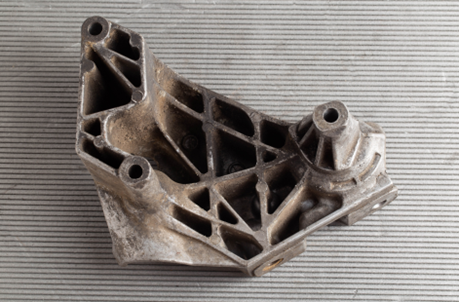
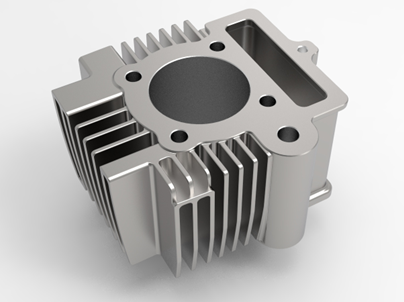
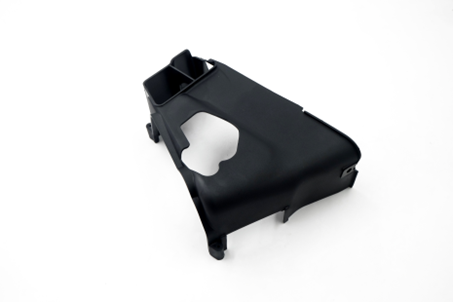
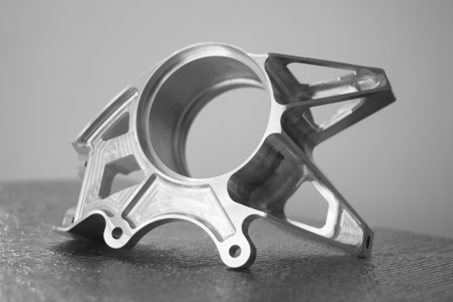
What the good cases have in common: a clear single subject, decent lighting, no distracting background clutter.
Always give a scale reference
Without something in the frame to judge size against — or a size stated in the part brief — dimensional accuracy cannot be assessed at all. A ruler or tape measure next to the part is the most accurate reference, but a coin, a hand or a standard tool helps a lot. Any reference beats none, and stating the approximate size in the part brief works just as well.